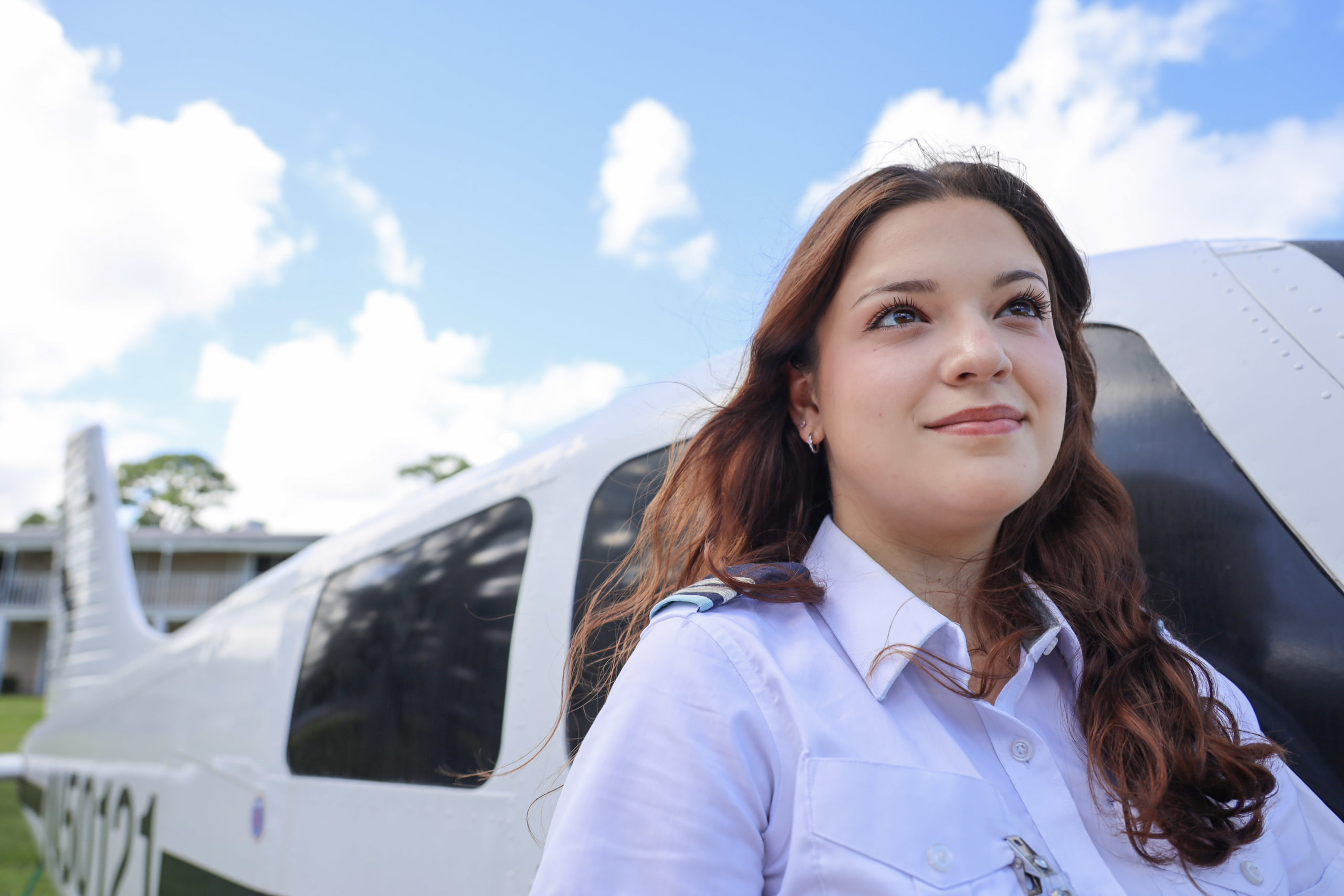
Curious about becoming an airline pilot in the USA, but not sure what the first steps are?
You don’t need to know every aviation term or have your whole career mapped out. This guide explains the basics and the first steps you can take if you are considering a career in the skies.
What is an Airline Pilot?
Airline pilots fly passengers and cargo safely from one destination to another. The job is about much more than flying an airplane – pilots plan flights, monitor weather and aircraft systems, communicate with air traffic control and work closely with the rest of the flight crew.
Is this the right career for me?
Pilots come from lots of different backgrounds. Helpful qualities to become a pilot include clear communication, sound decision-making, teamwork, curiosity about technology, discipline, and motivation.
How does it work?
To become an airline pilot, you have to go through training.
Pilot training is made up of a series of stages where you learn the basics, practice flying, develop more advanced skills, and earn different certifications as you progress. Training includes classroom learning and practical flying in a small aircraft.
- Stage One: Private Pilot Certificate (PPL) – Learn the basics of flying, navigation, and aircraft handling. After you earn your PPL, you will be qualified to fly a small aircraft as a hobby.
- Stage Two: Instrument Rating (IR) – Learn to fly using the aircraft’s instruments and navigation systems, which is crucial for safe flying in lower visibility conditions or poor weather.
- Stage Three: Commercial Pilot Certificate (CPL) – Gain the qualification that allows you to fly aircraft professionally and be paid to fly.
- Stage Four: Multi-Engine Rating – Train to fly aircraft with more than one engine.
- Stage Five: Certified Flight Instructor (CFI) – Become qualified to teach other student pilots.
- Stage Six: Gain flight experience – Build flying hours and gain experience in the air flying small aircraft. To become an airline pilot in the USA, you need to have built up 1,500 flying hours.
- Stage Seven: Airline Transport Pilot (ATP) Certificate – This is the last phase of training that you will need to complete to be able to be able to apply for your first job as an airline pilot.
What training do I need?
Skyborne’s flagship training program in the USA is an FAA Part 141 program. “FAA” stands for the Federal Aviation Administration, the U.S. authority responsible for civil aviation.
“Part 141” refers to a structured flight school training framework approved by the FAA. In short, this means that Skyborne follows an approved syllabus and training processes.
You will learn through ground school, which is classroom-based theory lessons, flying lessons in our fleet of small aircraft, and practical assessments.
What experience do I need?
You don’t need to arrive as an experienced flyer. Skyborne’s FAA 141 training program is designed to take students from little or no flight experience through the qualifications needed to work towards a professional flying career.
Am I eligible to start training?
To start training with Skyborne, you will need to have a high school diploma or higher and you must obtain an FAA medical certificate. An FAA medical certificate is a document issued by an aviation doctor that confirms you are healthy enough to fly. It checks things like your eyesight, hearing, heart and general fitness to make sure you can safely operate an aircraft.
Age is also something to take into consideration. You have to be 18 years old to begin your flight training as well as to gain your Commercial Pilot License and 21 years old to gain your Airline Transport Pilot (ATP) Certificate and become an airline pilot.
How much is training and how could I fund it?
Professional pilot training is a significant financial commitment. There are several ways that you can help to fund your training, including:
- 529 savings plans
- Loan providers such as Sallie Mae or Stratus Financial
- Personal savings or a combination of funding methods
Funding availability and eligibility requirements vary by provider, so it’s important to review all terms and conditions directly with the relevant funding provider before making a decision.
Note: Skyborne does NOT currently offer any scholarships however, we do accept eligible external scholarships.
The Skyborne team can advise you on the current training costs and explain the different funding options that may be available to you.
Why Skyborne?
Skyborne’s FAA Part 141 training takes place at our purpose-built campus in Vero Beach, Florida. We have a fleet of over 60 Piper training aircraft, which are all maintained to the highest standards by our in-house aircraft maintenance team. Our training is designed around airline operations to ensure that when you complete your training with us, you have the skills and qualities airlines are looking for.
What could my career look like?
A common path that people take when they want to become an airline pilot is to work through the different elements of flight training and gain the relevant certifications, build flight hours and flying experience, and then once they meet all the requirements, apply for their first airline pilot role.
Airlines in the USA require you to have built up 1500 flying hours before you can apply to become a pilot with them.
Some choose to work as flight instructors once they finish training to help them gain these flying hours. At Skyborne, you’ll have the chance to complete your Certified Flight Instructor (CFI) qualification, and many of our graduates go on to become flight instructors with us.
When you start your first job as an airline pilot, you will typically be a Second Officer or a First Officer. After you gain more experience and flying hours, you can progress and become a Captain.
A job as an airline pilot can involve flying short-haul or regional routes with several flights in a day, or long-haul trips that include overnight stays away from home. The lifestyle varies by airline, base, and roster.
Your next steps
If you’re thinking about becoming an airline pilot or you’re interested in pilot training, start by asking the questions that matter to you:
- Am I likely to meet the entry and medical requirements?
- What would my training timeline look like?
- What are the costs and what funding options may be available?
- What career pathways could I work towards after I finish training?
The Skyborne team are on hand to help answer any questions you may have about starting this journey, you can also find out more information by viewing the following pages on our website:
- FAQs
- Read stories from our students and instructors
- Read a more in-depth summary of ‘How to become an airline pilot in the US’
- Useful information
- Useful information for parents
- Glossary of aviation terms
Speak to us about your goals, our training programs, costs, and funding. We can help you understand your options and help you decide the path that’s right for you.