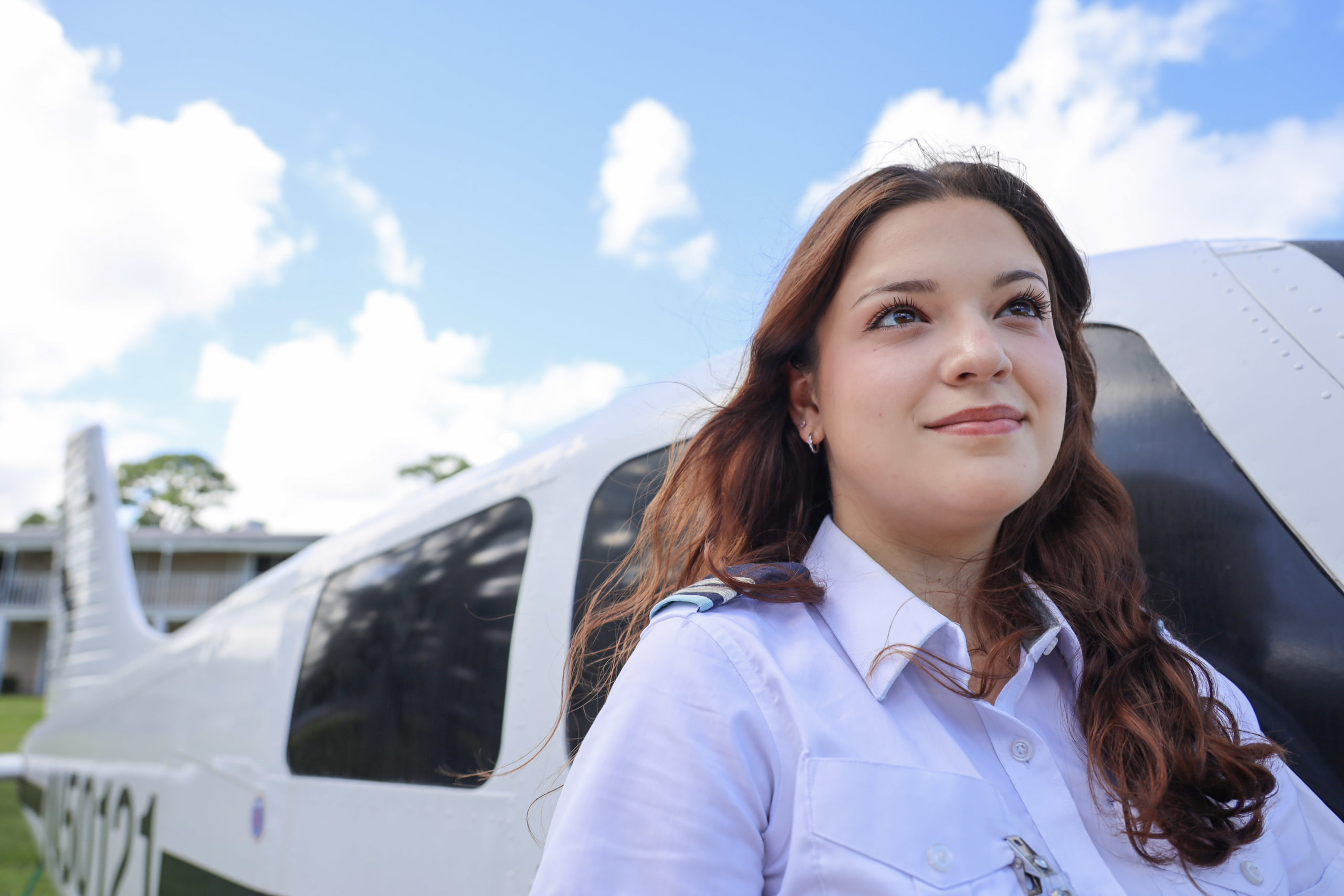
Curious about being as an airline pilot in the United States, and wondering where the journey begins?
You don’t need fluency in aviation terminology or a fully formed career plan to take the first step. This guide sets out the essentials of the profession and the path from first lesson to the flight deck.
What is an Airline Pilot?
Airline pilots are entrusted with the safe carriage of passengers and cargo across the country and around the world. Flying the aircraft is only part of the role. Pilots plan each flight in detail, assess weather and aircraft systems, coordinate with air traffic control, and lead a highly trained crew in a demanding, safety-critical environment.
Is this the right career for me?
Successful pilots come from a wide range of backgrounds.
What they share is a set of core qualities: clear communication skills, sound judgment under pressure, a collaborative mindset, an aptitude for technology, personal discipline, and a genuine drive to excel.
How does it work?
The route to the airline flight deck follows a structured sequence of training.
Each stage builds on the last.
You move from foundational skills to advanced airmanship and earn successive FAA certificates and ratings as you go.
Training combines rigorous classroom instruction with hands-on flying in modern training aircraft.
- Stage One: Private Pilot Certificate (PPL). You master the fundamentals of flight, navigation and aircraft handling. This certificate allows you to fly light aircraft for private purposes.
- Stage Two: Instrument Rating (IR). You learn to fly solely by reference to the aircraft’s instruments and navigation systems. This is an essential skill for operating safely in reduced visibility and adverse weather.
- Stage Three: Commercial Pilot Certificate (CPL). You earn the qualification that allows you to fly professionally, after which, you can be paid for your services as a pilot.
- Stage Four: Multi-Engine Rating. You extend your skills to aircraft with more than one engine (normally a piston engine twin), an important step toward airline operations.
- Stage Five: Certified Flight Instructor (CFI). You qualify to train the next generation of student pilots and deepen your own expertise in the process.
- Stage Six: Building Flight Experience. You accumulate the hours and operational experience the profession demands. Normally, FAA regulations require 1,500 hours of total flight time before you can be appointed to an airline flight deck.
- Stage Seven: Airline Transport Pilot (ATP) Certificate. This is the highest level of pilot certification and the final requirement before you take up your first airline position.
What training do I need?
Skyborne’s flagship U.S. program is delivered under FAA Part 141. The Federal Aviation Administration (FAA) is the U.S. authority responsible for regulating civil aviation.
Part 141 is the FAA’s framework for approved, structured flight training. Every element of a Part 141 program, from the syllabus to the training standards to student progress checks, is approved and overseen by the FAA. This gives you a consistent, rigorous standard of instruction.
Your training combines comprehensive ground school (classroom-based theory), flight instruction in our modern training fleet, and formal practical assessments at each stage.
What experience do I need?
No prior flying experience is required. Skyborne’s FAA Part 141 program is designed to take students from little or no flight experience through every qualification needed to begin a professional flying career.
Am I eligible to start training?
To begin training with Skyborne, you will need a high school diploma or higher qualification, and you must hold an FAA medical certificate. This is issued by an FAA-designated Aviation Medical Examiner. It confirms that you meet the health standards required to fly, including eyesight, hearing, cardiovascular health and general fitness.
Age requirements also apply.
- You must be 18 to begin training with Skyborne, and to hold a Commercial Pilot Certificate.
- You must be 21 to obtain a restricted ATP certificate and begin serving as an airline First Officer;
- and 23 to hold an unrestricted ATP certificate, which is required to serve as Captain.
How much is training and how could I fund it?
Professional pilot training is a significant investment in your future, and planning your finances carefully is an important part of the process. Common funding routes include:
- 529 education savings plans
- Specialist lenders such as Sallie Mae
- Personal savings, or a combination of funding sources
Terms, availability and eligibility criteria vary between providers.
We recommend reviewing all terms and conditions directly with the relevant provider before you commit.
Please note: Skyborne does not currently offer scholarships, but we welcome eligible external scholarships.
Our admissions team will be happy to provide current program costs and talk you through the funding options that may be available to you.
Why Skyborne?
Skyborne’s FAA Part 141 training is delivered at our purpose-built campus in Vero Beach, Florida. Our fleet of more than 60 Piper training aircraft is maintained to exacting standards by our in-house engineering team. Every aspect of our training is designed around airline operations, so our graduates leave with the skills, discipline and professional standards that airlines expect.
What could my career look like?
The typical path to the airline flight deck has three phases.
You complete each stage of flight training and certification, build the required flight hours and operational experience, and then apply for your first airline position once you meet every requirement.
FAA regulations require 1,500 hours of total flight time for airline pilots.
Many graduates build these hours by working as flight instructors. At Skyborne, you will have the opportunity to earn your Certified Flight Instructor (CFI) qualification, and many of our graduates go on to instruct with us. This is a valuable way to build experience while sharpening your own skills.
Most pilots begin their airline careers as a First Officer. With further experience and flight hours, they progress to the role of Captain.
Airline careers are as varied as the networks they serve. Some pilots fly multiple short-haul or regional sectors each day.
Others fly long-haul routes that involve overnight stays at destinations around the world.
Your lifestyle will depend on your airline, your base and your roster.
Your next steps
If you are considering a career as an airline pilot, start with the questions that matter most to you:
- Am I likely to meet the entry and medical requirements?
- What would my training timeline look like?
- What is the investment, and which funding options might be available to me?
- Which career pathways could I pursue once I qualify?
Our team is ready to guide you through every stage of the decision. You can also learn more on our website:
- FAQs
- Stories from our students and instructors
- An in-depth guide: How to Become an Airline Pilot in the U.S.
- Useful information
- Information for parents
- Glossary of aviation terms
Speak with us about your ambitions, our training programs, costs and funding, by clicking one of the options below. We will help you understand your options and choose the path that’s right for you.